Geneva, Switzerland, 08 April 2026- /African Media Agency (AMA)/- On World Health Day 2026, under the theme “Together for health. Stand with science,” World Health Organization (WHO) is highlighting individuals who use science to improve lives across the African Region.
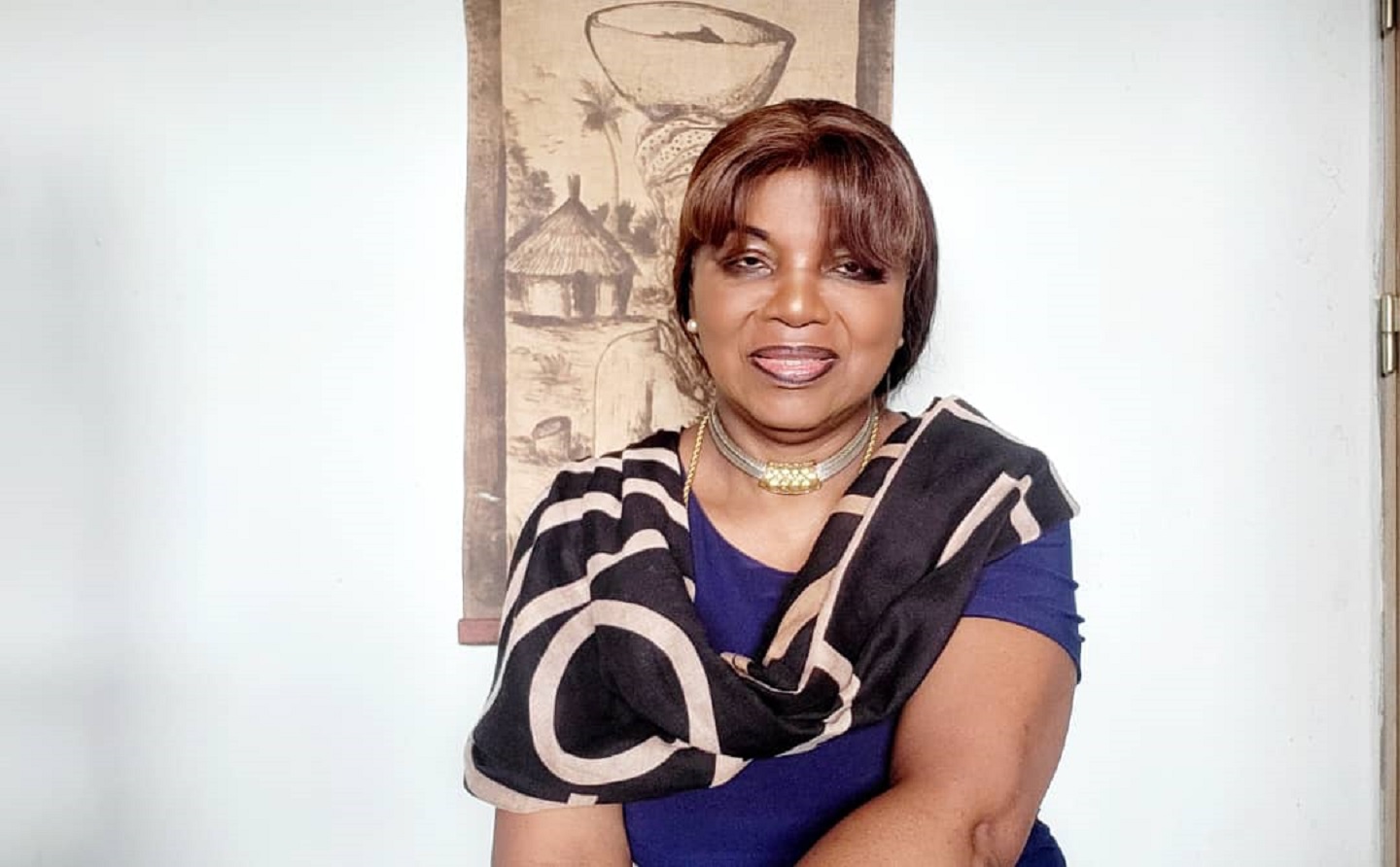
A paediatrician and public health expert based in Cameroon, Professor Anne Esther Njom Nlend explains how science helps protect health—especially for mothers, newborns and children. Drawing on concrete examples from the African context, she illustrates how scientific evidence guides medical decisions, saves lives and supports sustainable progress.
Why is it important for everyone to understand the role of science in health?
Science is the foundation of quality healthcare. While caring for patients requires experience and compassion, medical decisions must be based on reliable, up-to-date evidence—an approach known as evidence-based medicine. This helps ensure that every intervention delivers more benefits than risks, while also taking into account safety, patient acceptance and cost.
Through research, treatments, vaccines and prevention methods are tested, assessed and continuously improved. Interventions are recommended only after demonstrating their effectiveness and safety through rigorous evaluation. These findings are then translated into guidelines used by health professionals to improve both life expectancy and quality of life.
How do data and research improve day-to-day decisions for mothers and newborns?
Medical recommendations are based on different levels of scientific evidence. Today, the most reliable data come from large studies and analyses that combine findings from multiple trials, making it possible to compare interventions and select those that are most effective.
In maternal and newborn health, research has helped adapt practices to local realities. For example, studies show that kangaroo mother care—which involves skin-to-skin contact between a newborn and the mother—significantly improves survival among low-birth-weight babies.
For HIV, evidence shows that when a mother adheres to treatment and the virus is undetectable in her blood, the risk of transmitting HIV to her child—even during breastfeeding—is very low.
What are the main remaining barriers to children’s access to quality healthcare in the region?
There are several barriers. The most common is financial: even when services are available, some families struggle to access them. Geographic constraints also play a role, alongside social and cultural factors that influence care-seeking behaviour.
Experience shows that reducing costs increases the use of health services; however, this alone is not sufficient. Misinformation, false beliefs or mistrust of certain interventions—such as vaccination—can also limit access. This is why clear communication, community engagement and active listening are essential, alongside a well-functioning health system that avoids shortages of medicines and supplies.
What major advances has research enabled in Africa, particularly in paediatric HIV and newborn health?
Progress has been significant. In Africa, research has contributed to a substantial reduction in new paediatric HIV infections. Thanks to improved treatments and the “test and treat” approach, the number of new infections among children has declined markedly. Today, children born with HIV can grow up, reach adulthood, start families and have HIV-negative children. This represents a major public health achievement made possible by science.
In newborn health, maternal vaccination has nearly eliminated neonatal tetanus. Other simple, evidence-based practices—such as hand hygiene, delayed clamping of the umbilical cord and training in neonatal resuscitation—have also contributed to improved newborn survival.
What can each person do to support better health for all?
Health begins in the community. Everyone can play a role by adopting healthy behaviours, including good hygiene practices, seeking care early and protecting themselves from disease.
It is also important to rely on trustworthy sources of information, counter misinformation and support local health initiatives. Communities also have a role in engaging with and monitoring research projects conducted with them, as they are the first to benefit from the results.
As WHO emphasizes, achieving health for all requires standing together—and standing with science.
Distributed by African Media Agency (AMA) on behalf of World Health Organisation.
The post When Science Protects the Most Vulnerable: An Interview with Professor Anne Esther Njom Nlend (Cameroon) appeared first on African Media Agency.