Geneva, Switzerland, 16 April 2026- /African Media Agency (AMA)/- On World Health Day 2026, under the theme “Together for health. Stand with science,” the World Health Organization (WHO), the United Nations’ specialised agency for public health, highlights individuals using science to improve lives in the African Region.
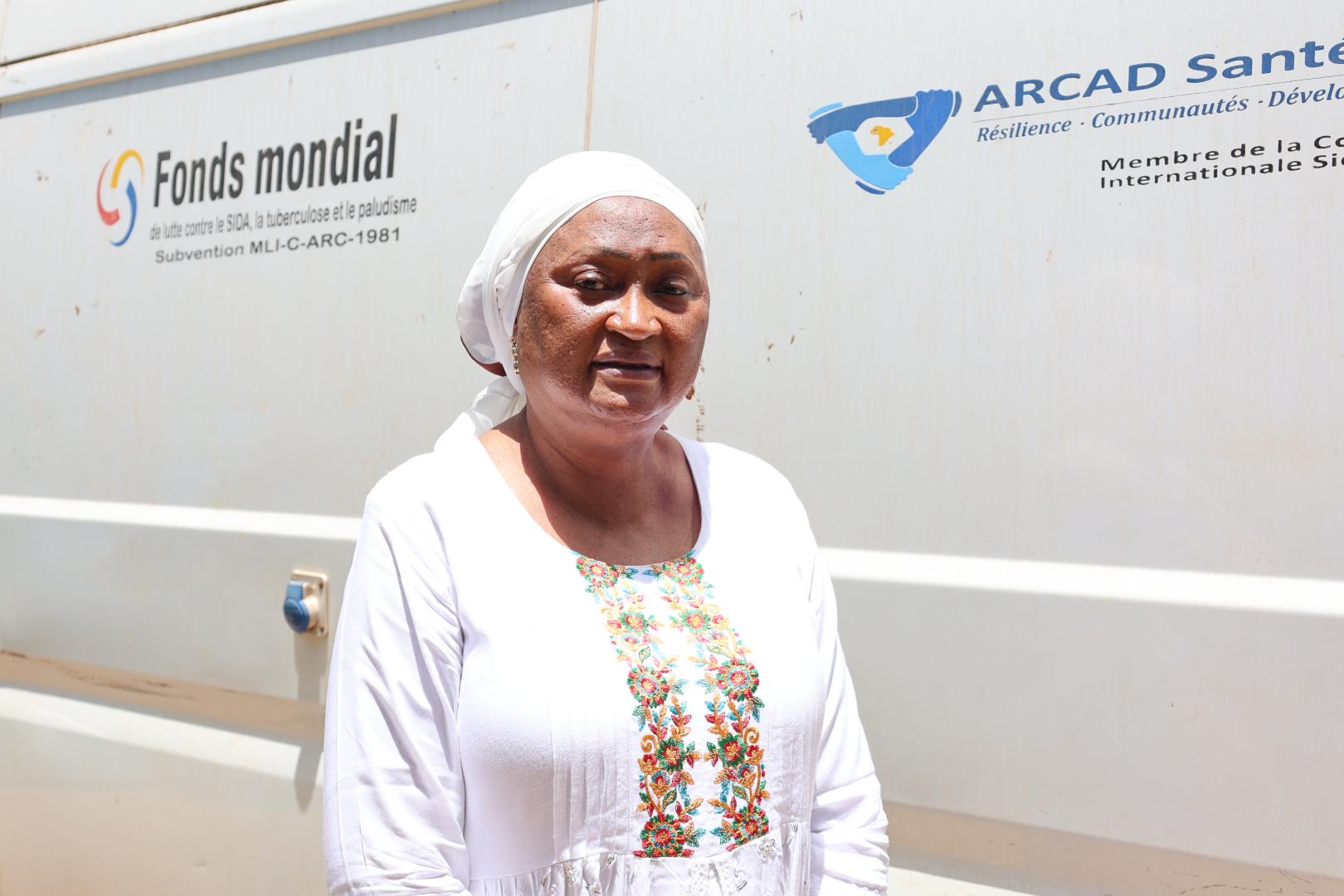
A physician and public health expert, Dr Bintou Dembélé has dedicated many years to fighting infectious diseases and strengthening health systems in Mali and West Africa. Convinced that science must serve communities, she advocates for better use of scientific knowledge to prevent health crises, improve care, and build trust between researchers, decision-makers, and populations. For World Health Day, she shares her vision of science as accessible, collaborative, and useful in everyday life.
Why is it important today to support science in order to better protect people’s health?
Science is more essential than ever. It enables the development of new medicines, vaccines, and treatments to effectively combat both longstanding and emerging diseases. Science also plays a fundamental role in prevention. A better understanding of how diseases arise and spread helps reduce risks before crises occur. It also contributes to improving diagnostic tools, medical equipment, and the organization of care—thus strengthening health systems and increasing patients’ chances of survival and recovery.
How can scientific collaborations strengthen health in Mali and West Africa?
Scientific collaborations allow for the sharing of knowledge, experiences, and resources. In West Africa, where many countries face similar health challenges, working together is a real advantage. These partnerships help fight endemic and non-communicable diseases, while improving maternal and child health—for example, by developing solutions to reduce maternal and neonatal mortality. Beyond health, such collaborations have a positive impact on socio-economic development, since healthier populations are more resilient and able to contribute fully to social and economic life.
The “One Health” approach is central this year. How can this concept help communities prevent health crises?
The “One Health” approach is based on a simple but essential idea: human health is closely linked to animal health and the environment. By understanding these connections, communities can better anticipate and prevent certain health risks. It encourages collective vigilance through local monitoring mechanisms and strengthens dialogue between researchers and populations. It also values local knowledge and promotes participatory research, where communities become active agents of their own health.
How can scientific data be transformed more quickly into concrete action on the ground?
Scientific data are true public goods. To be useful, they must be analyzed, shared, and applied rapidly through mechanisms capable of turning research results into concrete decisions. By quickly integrating data into public policies, health actions can be better directed, resources optimized, and population needs addressed more effectively.
How can communities be encouraged to support science and trust it?
Trust is born from understanding. To encourage public support, it is essential to make scientific information accessible, clear, and adapted to local realities. By sharing knowledge transparently and through channels close to communities, dialogue and social mobilization are fostered. In this way, science becomes a shared tool, serving everyone, and a genuine movement of support can emerge.
Distributed by African Media Agency (AMA) on behalf of World Health Organisation.
The post Trusting science to better protect our communities: Interview with Dr Bintou Dembélé (Mali) appeared first on African Media Agency.