NAIROBI, Kenya, Jun 3 — Interior Cabinet Secretary Kipchumba Murkomen is on a benchmarking tour of the New York Police Department (NYPD) as government moves forward with plans to establish the Nairobi Metropolitan Police Unit (NMPU).
The move is part of a major reform initiative aimed at strengthening safety and law enforcement in the capital.
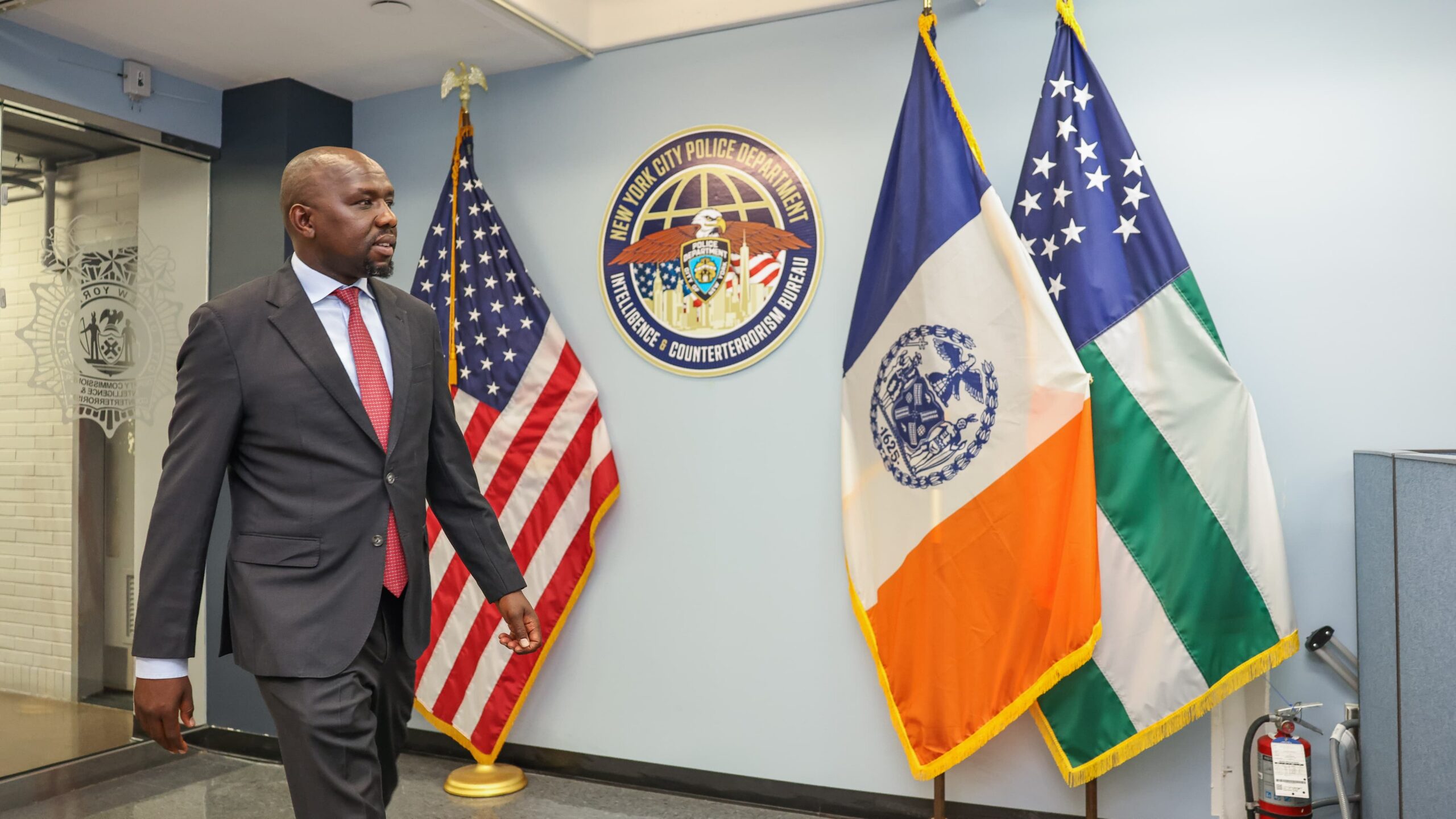
Murkomen arrived in New York on Tuesday for engagements with the NYPD, one of the world’s largest and most successful urban policing institutions, as the government seeks to draw lessons from international best practices ahead of the rollout of the new metropolitan security unit.
The visit comes months after President William Ruto directed the Ministry of Interior to establish a dedicated Nairobi Metropolitan Police Unit to tackle rising security challenges and protect the city’s growing economic interests.
Speaking ahead of the tour, Murkomen said the NYPD’s extensive experience in managing security within one of the world’s busiest metropolitan areas would provide valuable insights for Kenya’s planned security reforms.
“The New York Police Department will offer us insights into intelligence-led and community-oriented policing, technology integration, specialised urban operations, emergency response coordination, and crime prevention strategies, among other areas of our interest,” said Murkomen.
He noted that Nairobi, one of Africa’s fastest-growing metropolitan centres, has in recent years faced increasingly sophisticated and evolving security threats, necessitating a more coordinated and specialised approach to urban policing.
“We are drawing lessons and best practices from NYPD because it’s one of the world’s most effective metropolitan police services,” he added.
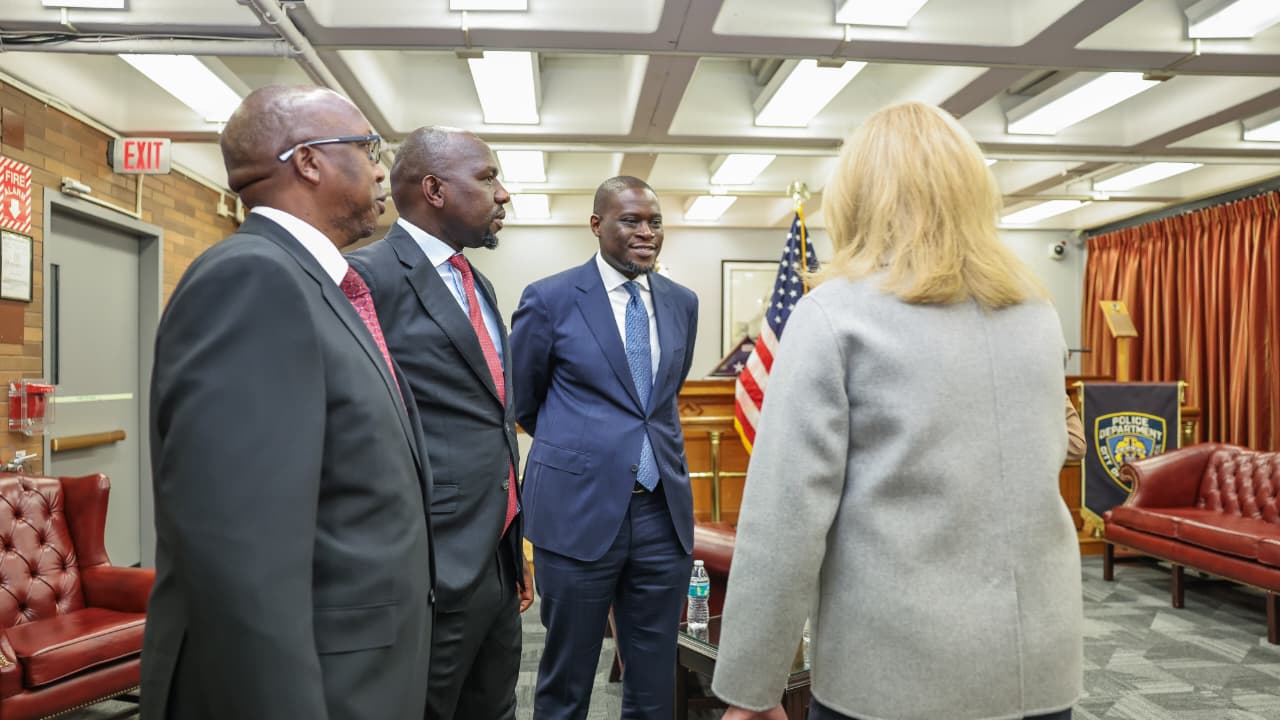
Upon arrival, Murkomen held talks with NYPD Police Commissioner Jessica Tisch, focusing on a proposed Memorandum of Understanding (MoU) between the Kenya Police Service and the NYPD that would support the establishment and operationalisation of the Nairobi Metropolitan Police Unit.
The discussions explored potential areas of cooperation, including capacity building, intelligence-sharing frameworks, specialised training, technology deployment, and urban crime management.
Murkomen was accompanied by Nairobi Governor Johnson Sakaja, Deputy Inspector General of Police Eliud Lagat, and other stakeholders involved in the metropolitan policing initiative. Kenya’s Ambassador to the United States, David Kerich, also attended the meeting.
The Nairobi Metropolitan Police Unit was first announced in February when President Ruto directed the Interior Ministry to develop and present a framework for its establishment within 60 days.
Speaking during the signing of a cooperation framework between the national government and Nairobi City County, Ruto underscored the importance of security in supporting Nairobi’s role as Kenya’s political, economic and diplomatic hub.
“Security is non-negotiable, especially for a modern capital city like Nairobi,” the President said at the time.
“I therefore direct the Cabinet Secretary for Interior to prepare and present within 60 days a framework for a dedicated Nairobi Metropolitan Police Unit to work hand in hand with Nairobi County security.”
The President said the new unit would enhance coordination between national and county security agencies, improve rapid response capabilities, and strengthen protection for residents, businesses, investors and visitors.
Ruto emphasized that Nairobi occupies a unique position as the country’s capital and gateway to the region, making effective security management essential to its continued growth and competitiveness.
“Nairobi is not merely another devolved unit. It is our capital, the seat of the Republic, and the nerve center of national administration. For many visitors and investors, Nairobi is not just the face of Kenya; Nairobi is Kenya,” he said.
The planned Nairobi Metropolitan Police Unit is expected to serve as a specialized urban security force, drawing from global policing models such as the NYPD to address emerging criminal threats, maintain public order and support the city’s expanding population and economic activities.