Standard Chartered has announced plans to expand the scale and scope of sustainable financing in Kenya and across Africa this year, deepening partnerships with public institutions and Development Finance Institutions (DFIs) to channel capital into agriculture, healthcare, digital infrastructure, and manufacturing.
Kenya secured over $2.9 billion in investment commitments at the Kenya International Investment Conference (KIICO 2026), with manufacturing, healthcare, and agribusiness among the standout sectors.
Against this backdrop, Standard Chartered said it will leverage the success of landmark transactions including a $100 million facility with British International Investment (BII), a $70 million programme with the International Finance Corporation (IFC), and Safaricom’s $130 million green bond to accelerate the structuring of more innovative financing solutions.
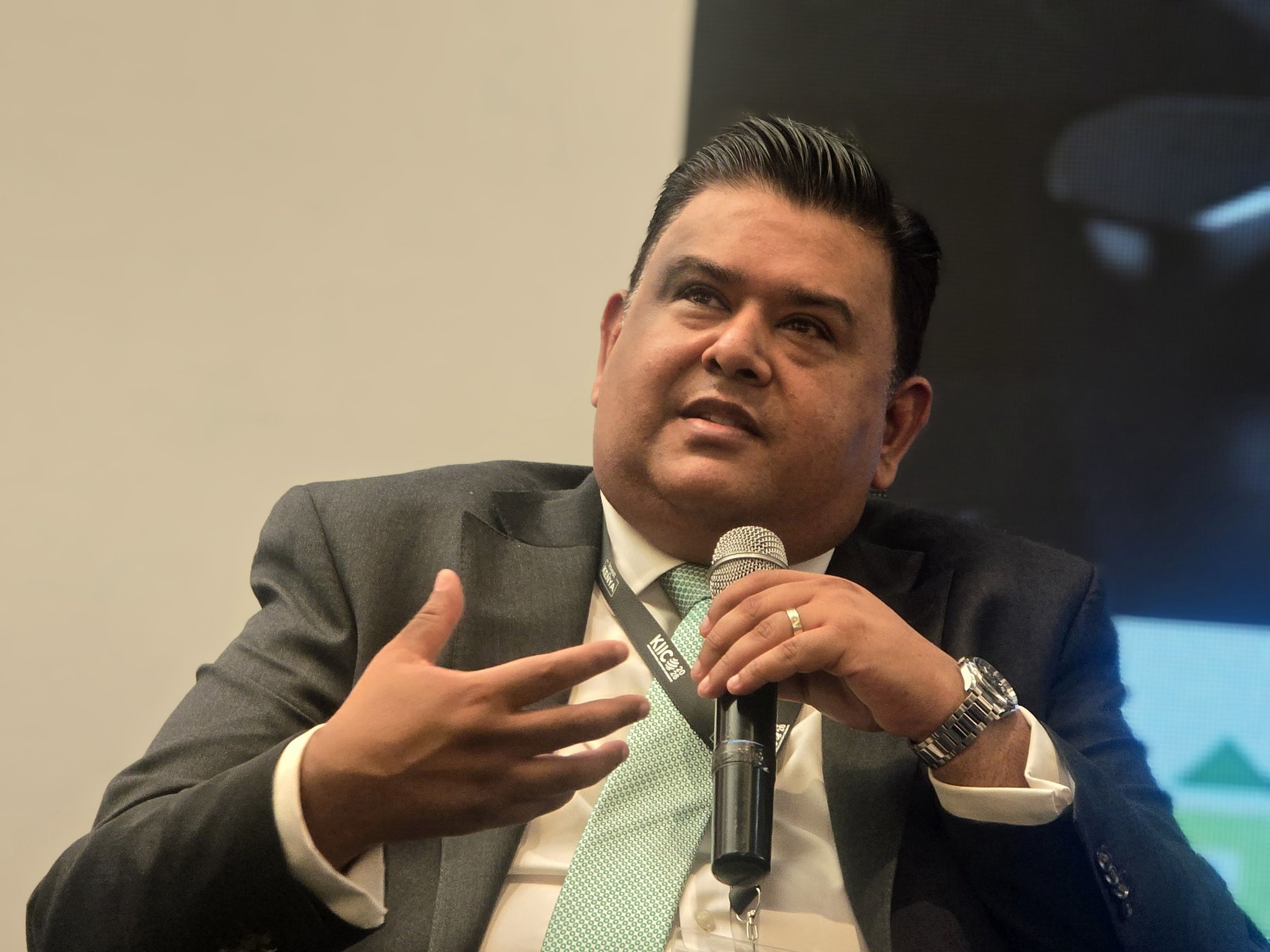
“Our ambition is to scale sustainable financing innovations with DFIs and governments, so we can mobilise more capital into agriculture, healthcare, manufacturing, and digital infrastructure,” said incoming Standard Chartered Kenya Managing and CEO Birju Sanghrajka at the KIICO Conference.
“We are not just focused on deal volumes. We want to transform how capital flows in Africa. By blending concessional and commercial finance, we can derisk large projects, crowd in private investors, and ensure financing reaches sectors that directly improve livelihoods.”
An increase in financing deals with DFIs is expected to give Kenyan businesses greater access to affordable, longterm capital.
This will enable manufacturers to expand production, healthcare providers to invest in new facilities, and agribusinesses to modernise operations.
KIICO projections suggest these investments could generate more than 63,000 jobs across priority sectors.
The wider economic impact is expected to be substantial.
The Kenya Association of Manufacturers’ strategic agenda identifies an unmet export potential of around $5.3 billion for manufactured products, implying there is room for significant expansion if competitiveness and value addition are strengthened.
Healthcare investments will improve workforce productivity and resilience, while modernised agriculture could increase food security and raise rural incomes by an estimated 15–20% for smallholder farmers.
Together, these outcomes could add over one percentage point to Kenya’s annual GDP growth, supporting a more inclusive and sustainable development trajectory.
Sanghrajka emphasised that Nairobi is emerging as a regional capital hub, enabling Standard Chartered to structure, intermediate, and deploy global and regional capital efficiently.
“By anchoring these financing innovations in Kenya, we can scale them across East Africa, attracting international investors to sectors that will define the region’s future growth,” he said.
Standard Chartered expects to continue expanding its collaboration with DFIs, public institutions, and fintechs, positioning Kenya at the centre of its regional strategy for sustainable and inclusive investment.
The post Standard Chartered to scale sustainable financing innovations with DFIs in Kenya appeared first on KBC Digital.
kbc