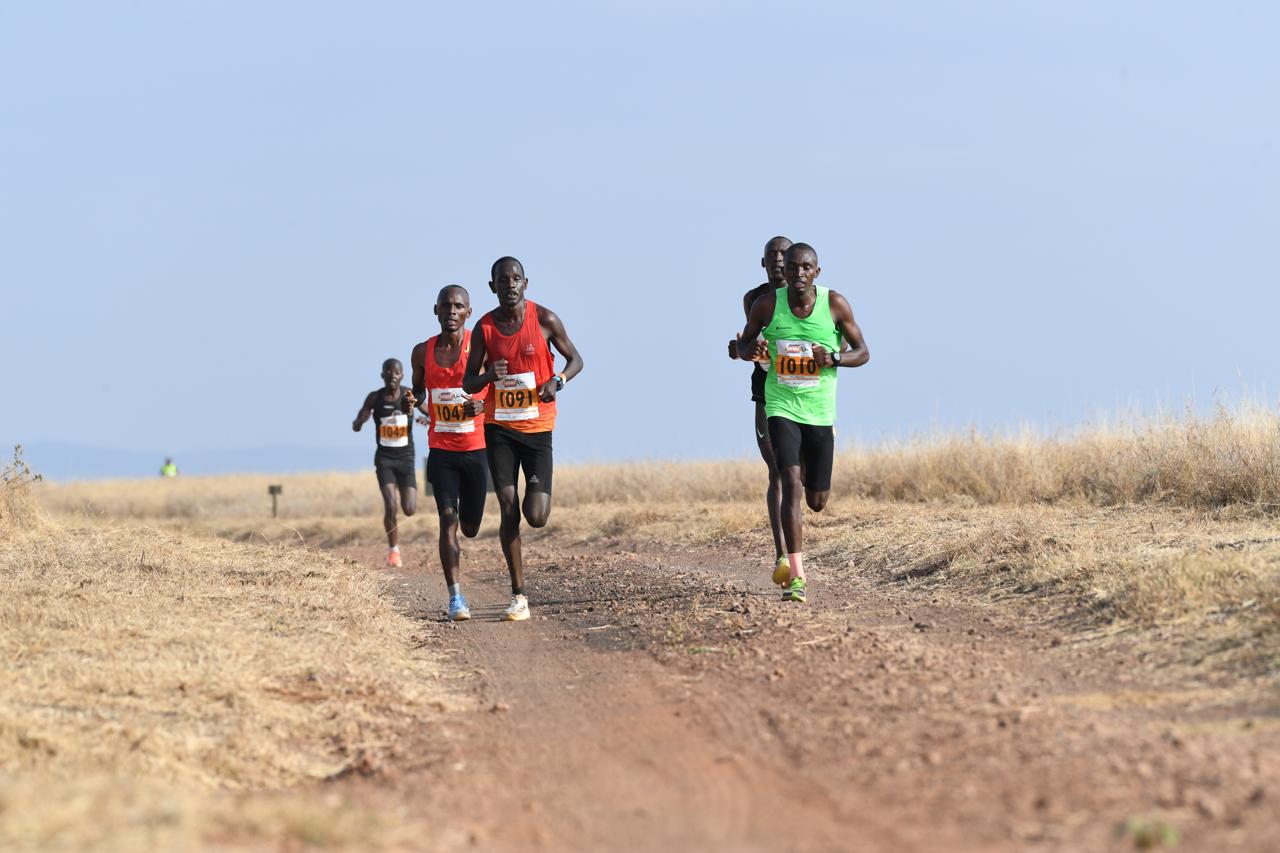
For 26 years, the Lewa Safari Marathon has evolved from a mere charity race to a globally celebrated event that combines sport, wildlife conservation, and community development.
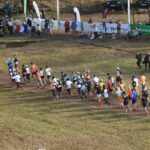
The race attracts over 1300 participants from 20 countries who assemble at Kenya’s Lewa Wildlife Conservancy to run a noble course annually since the year 2,000.
“To me a running world is happy world. Please join me to support the guardians of wildlife and our natural heritage as they continue to feel the negative effects of the pandemic.” – Eliud Kipchoge,former world marathon record holder and Lewa Ambassador.
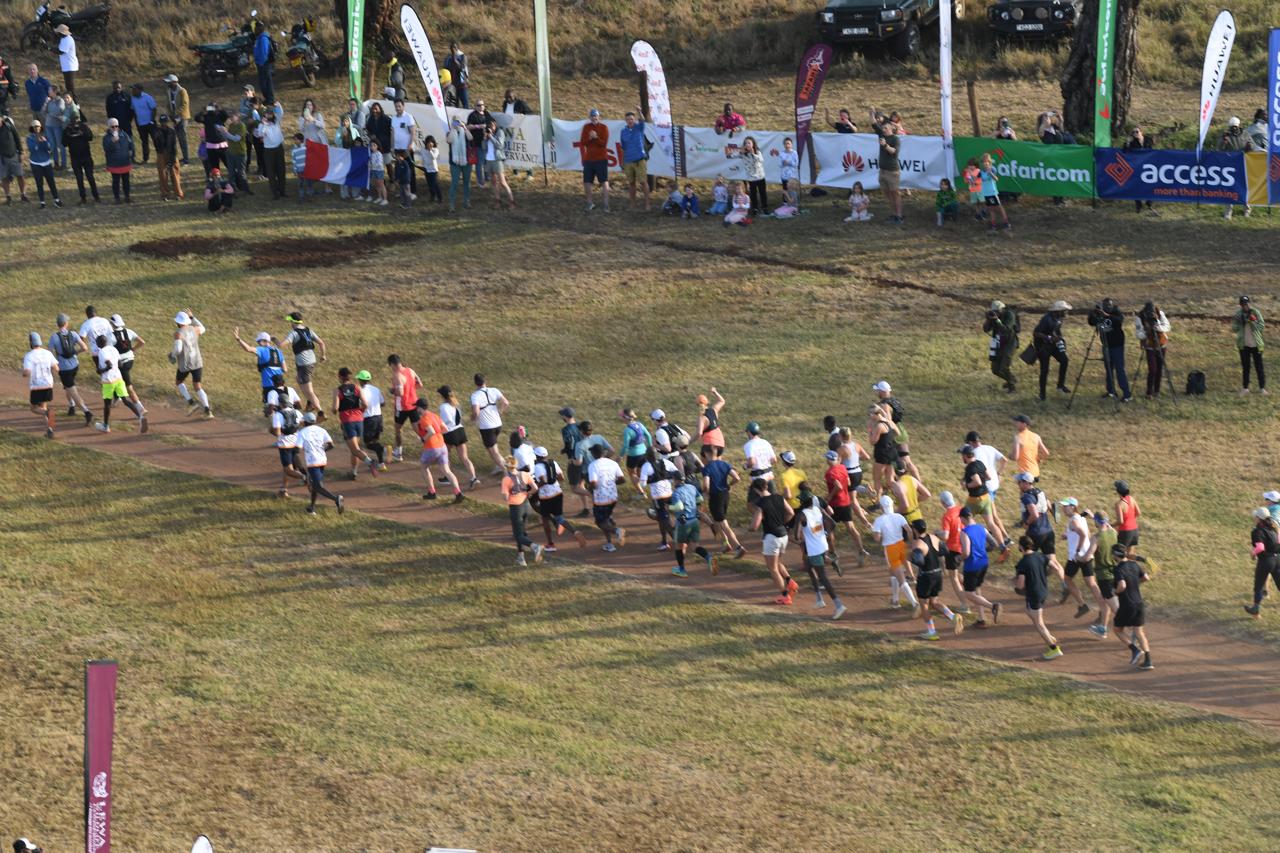
The marathon’s proceeds have been transformative. Funds have contributed to recovering Kenya’s black Rhino population and protecting the critically endangered Grevy’s zebra, while driving significant social development across surrounding communities.
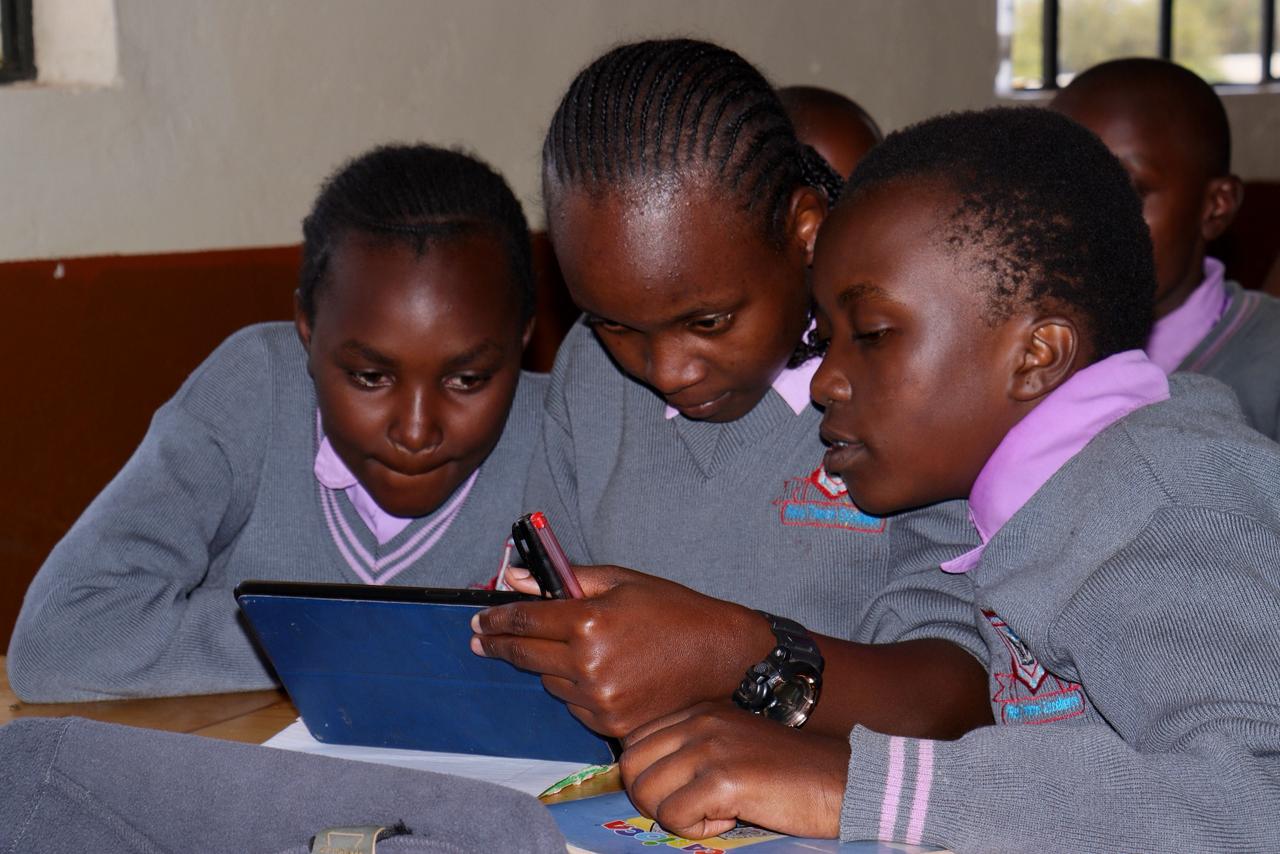
Another testament to the race’s success is The Lewa Education Programme, which has transformed learning across 28 schools in Meru, Isiolo, and Laikipia counties.
Through the initiative, students now have access to laptops, eBooks, interactive LED screens, and scholarships for tertiary education.
According to Lewa Wildlife Conservancy CEO Rob Macaire: “Over the years, proceeds have supported 28 schools across Laikipia and Meru counties, funded healthcare initiatives, equipped ambulances, and improved access to medical services in remote communities. We’re optimistic that we will surpass a cumulative fundraising milestone of US$10 million.”
The race’s impact on the surrounding communities is evident, as noted by AIPCA Rugusu Comprehensive School Principal Henry Ringera.
“The marathon has significantly strengthened education in the community by investing in school infrastructure, ICT resources, and environmental learning programs. Support has included the construction of classrooms, dormitories, and junior school facilities, as well as the installation of smart boards that enhance digital learning. These investments have improved education quality, increased enrollment, and created a more engaging learning environment,” he said.
Healthcare facilities supported by marathon proceeds serve approximately 50,000 people annually, as explained by Lawrence Riungu, Head of Community Development Programs at Lewa Conservancy.
“We have four clinics surrounding the conservancy. We serve a population of around 50,000 annually and conduct outreach programs to educate communities about containing communicable illnesses, guided by Ministry of Health protocols,” stated Riungu.
The conservancy promotes climate-smart agriculture through drip irrigation, organic farming, and drought-resistant seeds. Maria Mwiti, a small-scale farmer benefiting from these initiatives, shares: “Through Lewa’s loan program, I was able to buy my first cow and, over time, added more. They trained us in better farming, provided improved seeds, introduced drip irrigation, and brought water to our farms. Today, my milk production has increased, my income has grown, and I can support my family and educate my children.” Safaricom has served as the event’s main sponsor for 26 years. CEO Peter Ndegwa stated:
“As a purpose-led technology company, we are equally proud to enable conservation through connectivity, ensuring that Lewa remains digitally empowered to protect wildlife more effectively. We will this year support the event to the tune of KES 10 million.” Added Ndegwa
Situated on Mount Kenya’s slopes within a UNESCO World Heritage Site, the Lewa Safari Marathon embodies the vision that protecting wildlife and improving livelihoods can go hand in hand—uniting athletes, conservationists, communities, and partners in creating a future where both people and wildlife thrive together.
The post The socio-economic impact of the Lewa Safari Marathon appeared first on KBC Digital.
kbc